Articles
Clear, useful writing about work, psychology, technology, culture and modern life.
How to Check AI Output When It Sounds Completely Convincing
The most dangerous AI draft is rarely the one full of obvious mistakes. It's the one that reads cleanly enough that you never think to check it. Here's a practical way to separate polish from trustworthiness before you forward the work.
Continue reading
Why AI Revisions Get Worse After a Few Rounds
The sixth draft always looks more polished than the second. It is not always better. Here is how to tell the difference before you send it.
Continue reading
How to Brief AI Like a Capable Junior Colleague
Clean, confident AI output can still miss the point entirely if the request behind it wouldn't have passed muster with a new hire. This article translates prompt design into a skill most professionals already have: briefing a colleague properly before handing off the work.
Continue reading
The Biggest AI Prompting Mistake Is Asking for Too Much at Once
A clear, well-worded AI request can still fail if it secretly asks for five different jobs at once. This article shows how to spot the hidden operations inside a deliverable and separate them before you prompt, so each piece comes back usable rather than generically averaged.
Continue reading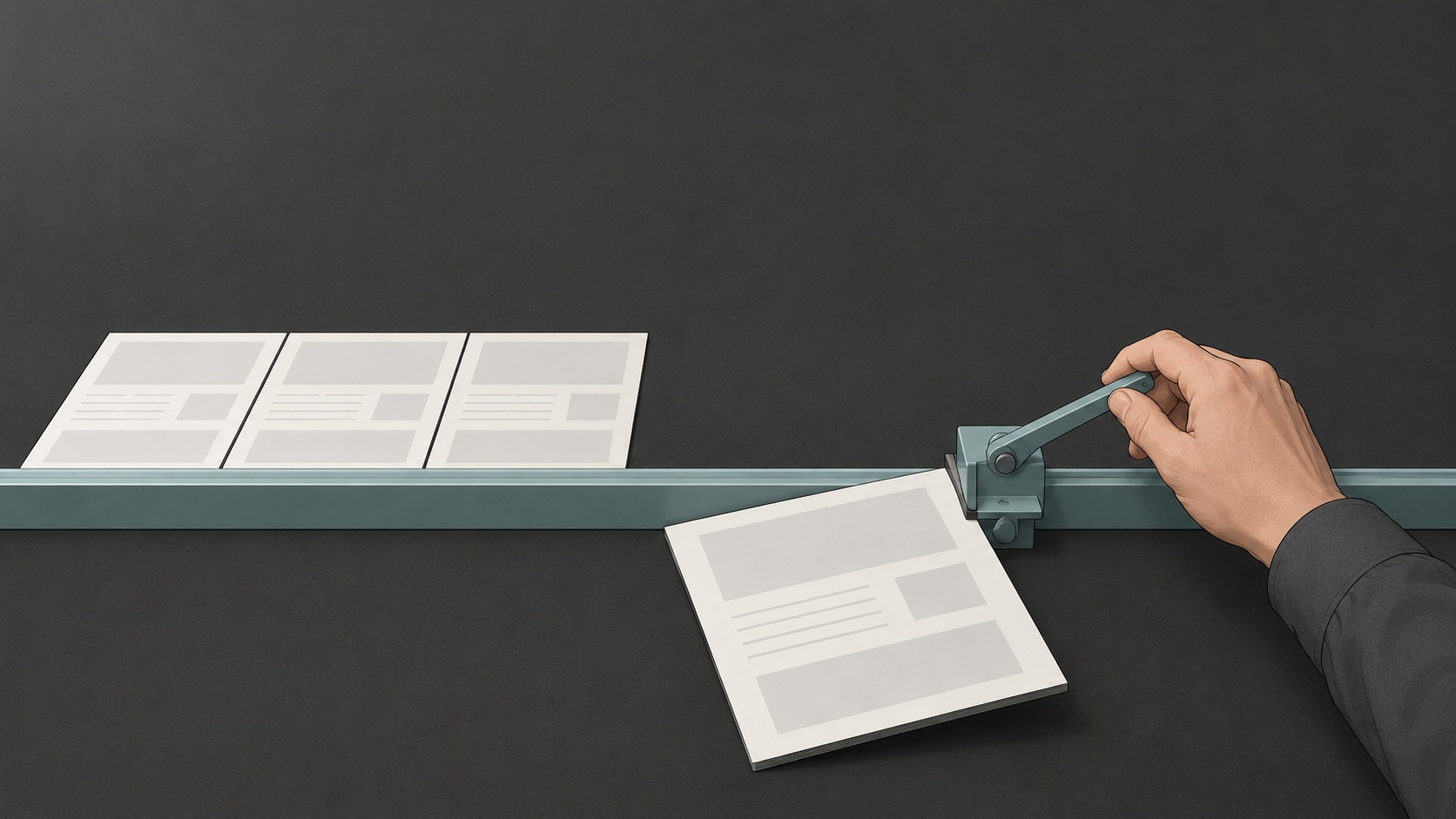
How to Get More Consistent AI Output Without Hunting for the Perfect Prompt
Rewording a request over and over rarely fixes unreliable AI output, because wording was never the unstable part. This article sets out the four things worth defining before you write a single prompt, so repeated tasks stop depending on getting the phrasing right by luck.
Continue reading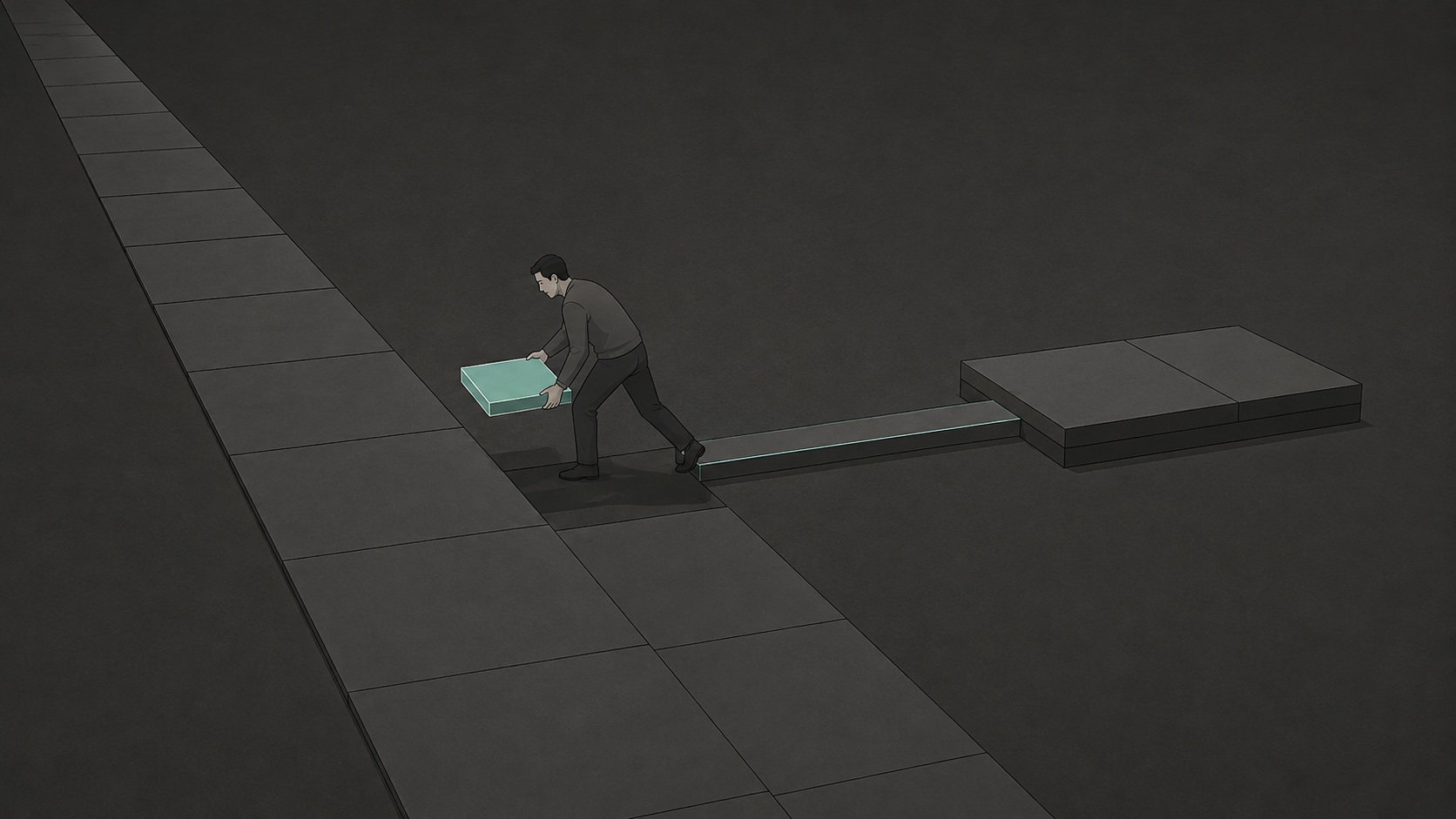
Stop Treating AI Like a Separate Destination
Most people treat AI as somewhere they visit, not something built into the work itself. Here's how shifting where AI sits inside a task, rather than aiming it at the whole thing, turns occasional usefulness into something you can actually rely on.
Continue reading